
Heavy Debris
How Heavy Debris Disposal Actually Works
Concrete, brick, block, and asphalt are priced by weight because that is how disposal facilities charge and what road limits allow. Understanding that up front explains why a small container is the right answer for heavy loads.
Why weight, not volume, drives the job
A container filled halfway with concrete can weigh more than the same container packed to the rail with furniture. Legal axle weight limits, not empty space, decide when a load is done.
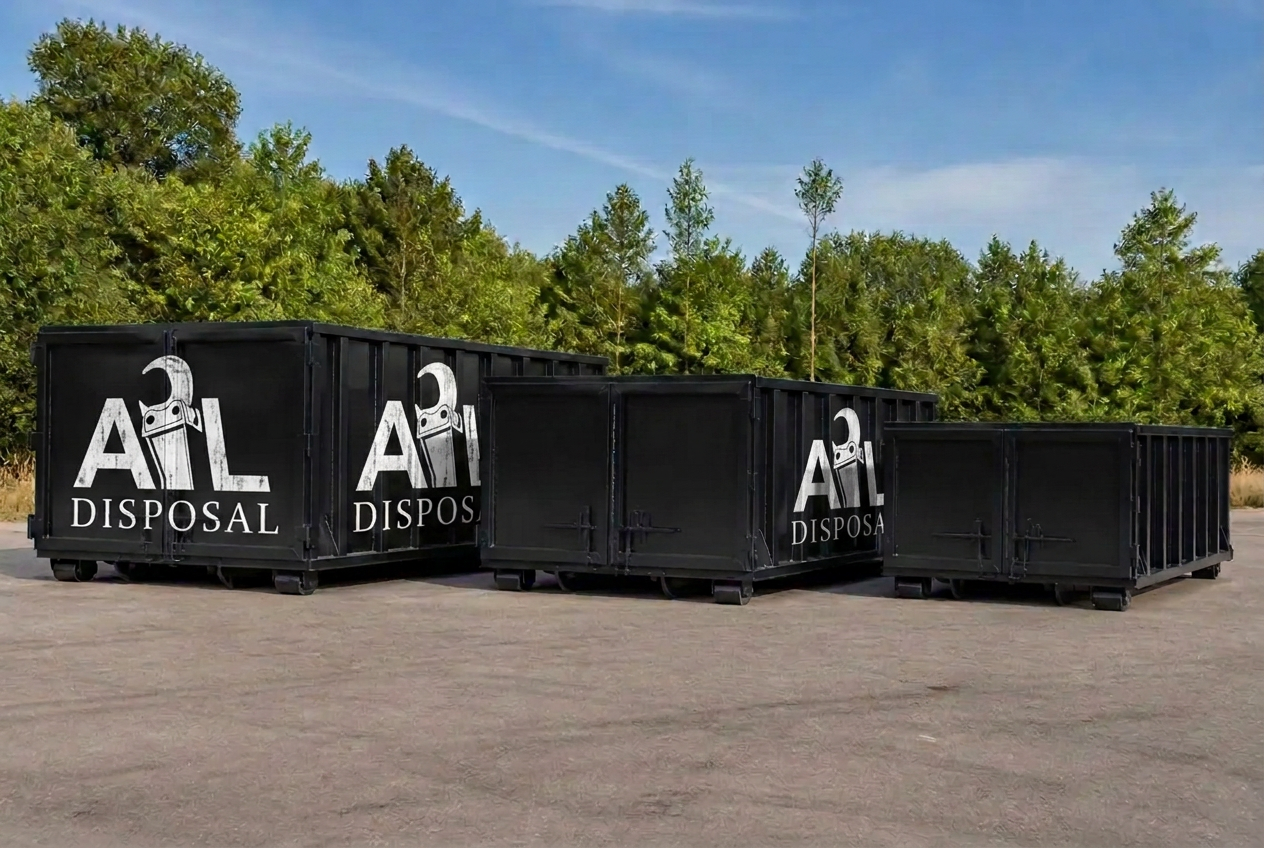
That is why a smaller, low sided container is standard for masonry work.
Keep the load clean
A load of clean concrete or masonry with no wood, plastic, trash, or rebar mixed in can be processed as clean fill and is usually cheaper to dispose of.
Once general debris is mixed in, the whole load is handled as mixed waste. Two containers often costs less than one contaminated one.
Plan the placement carefully
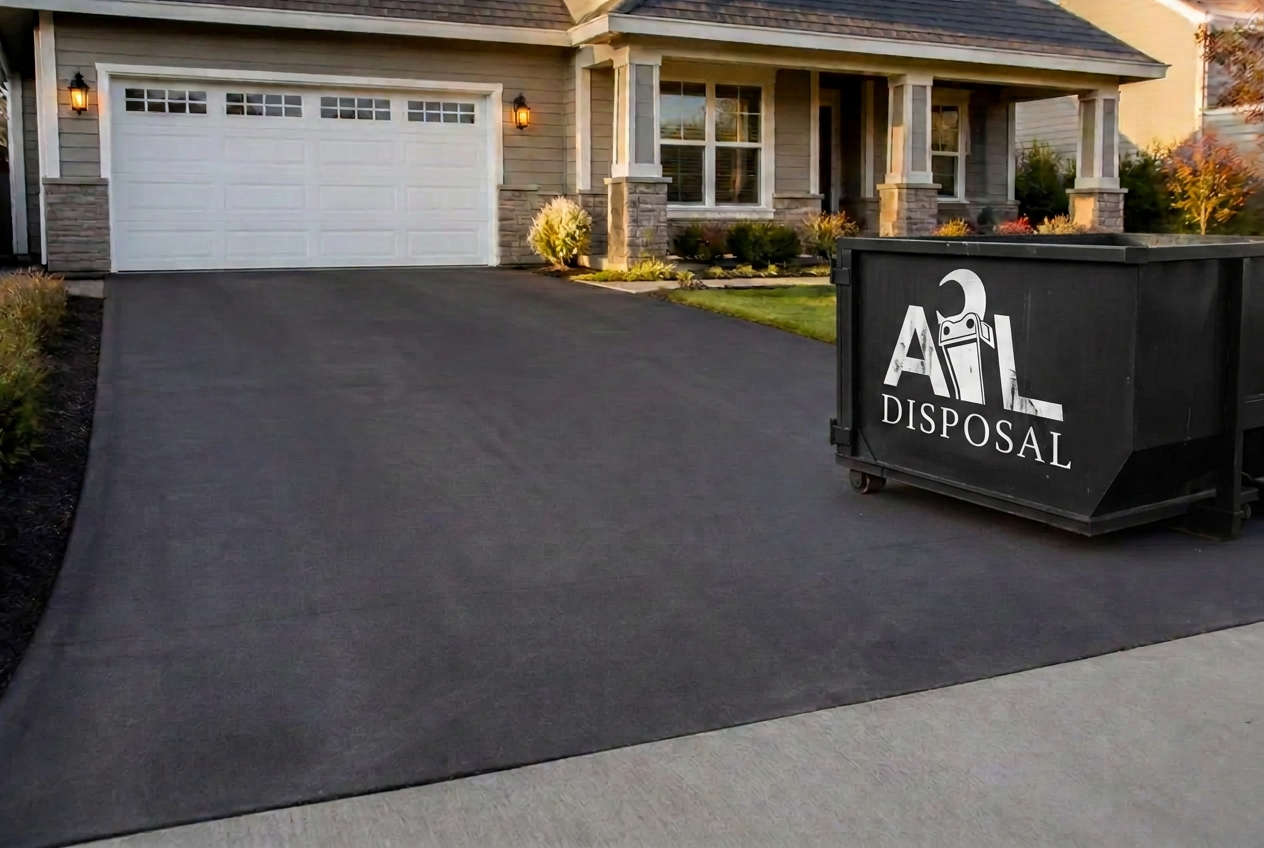
Loaded heavy containers put real weight on the surface underneath. Driveways, pavers, and septic areas need attention before delivery, and cribbing under the rails spreads the load.
We will look at the site and tell you honestly if a spot is a bad idea.
Load it low and level
Spread heavy material across the floor of the container rather than piling it at one end, and stop at the fill line. An overloaded heavy container cannot be transported.
If you have more than one container's worth, we will stage swaps so the crew never stops breaking material.
Looking for Landscape Debris Removal in Manchester, NJ? Learn more about our Landscape Debris Removal service or get in touch directly.
Questions about your cleanup?
Call us or send a request. We will walk you through sizing, timing, and what can go in the container.